Last year, I was working with a catcher who was having trouble receiving the low pitch.
Instead of getting his mitt underneath the baseball and working it back toward the strike zone, he was constantly stabbing at it.
So we went to work.
We tried different drills. Different cues. Different setups.
But no matter what we did, he kept falling back into the same movement pattern.
Eventually, I realized something:
We weren’t just trying to fix a bad habit.
We were trying to undo a movement that he had spent hundreds—maybe thousands—of repetitions reinforcing.
And ironically, one of the things that helped create the problem was a training aid that was supposed to make him a better receiver.
Before I started working with him, he used to work with a coach who used a resistance band attached to a belt around his waist.
I’ve never been a big fan of that setup, and this was a perfect example of why.
And instead of teaching him how to move more efficiently…
It was actively reinforcing the movement we were trying to eliminate.
That’s when I decided to build something different.
Think about what we’re actually asking a catcher to do when he receives a pitch.
We don’t want the mitt traveling directly toward the pitcher…AKA “stabbing at it.”
We want to work the baseball back toward the middle of the strike zone.

And because pitches can be located anywhere around the zone, the direction the mitt needs to travel is constantly changing.
It creates a major problem when the resistance vector never changes.
The pitch changes location.
The mitt path direction.
So why would the resistance only come from a static location? Answer: It shouldn’t…
When receiving a pitch at the bottom of the zone, I want the catcher working to get the mitt underneath the baseball.
I don’t want him stabbing through it.
I definitely don’t want him using a tool that encourages the exact movement we’re trying to avoid.
I want the resistance positioned so that it challenges the movement we’re actually trying to train for each SPECIFIC pitch!
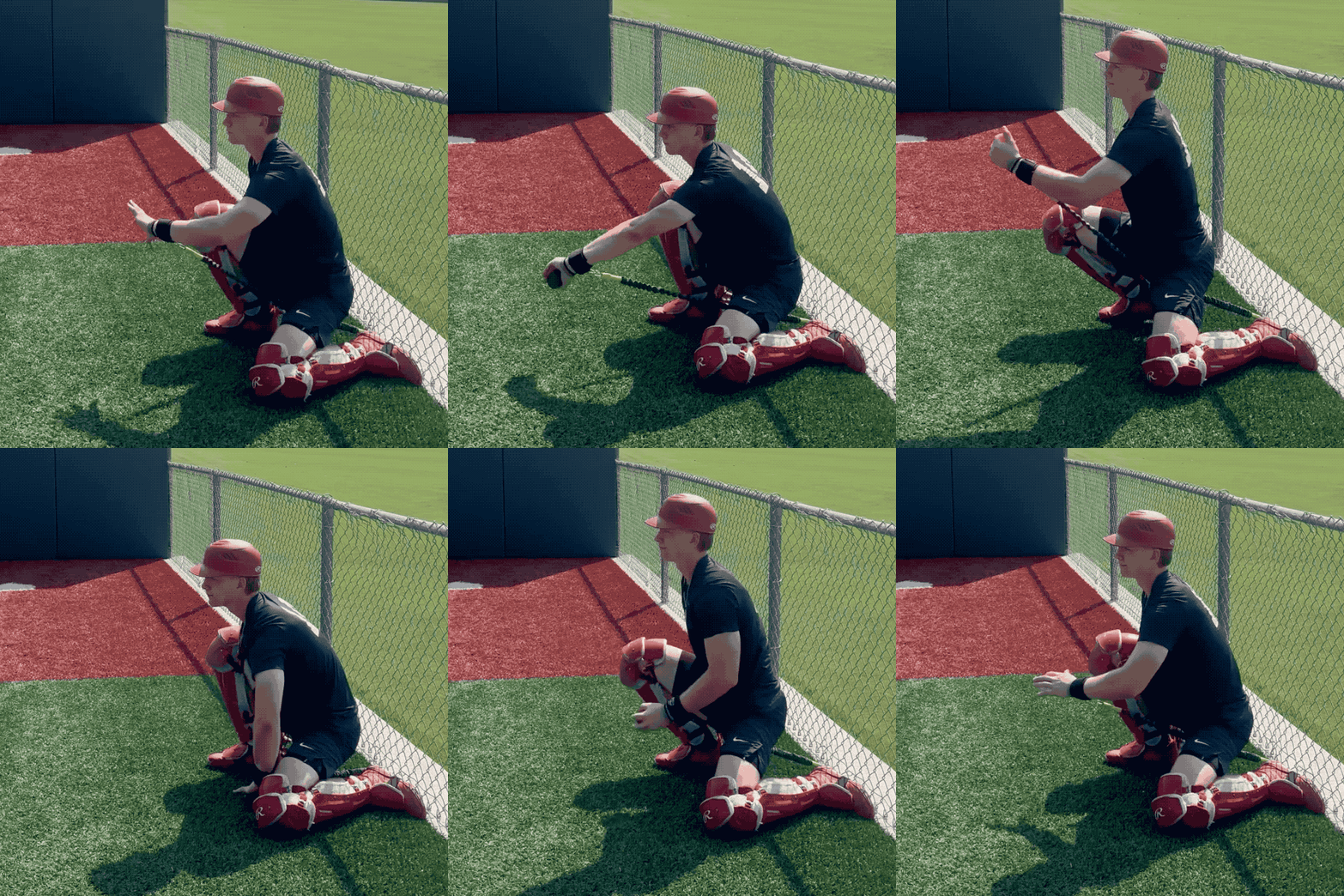
Everything changes.
Take a pitch that’s down and in to a right-handed hitter.
We’re still trying to work the baseball back toward the middle of the strike zone…
But look at the mitt path.
The vector has changed.
If the desired direction of movement changes, but our resistance continues pulling from exactly the same location…
Are we actually training the movement we think we’re training?
That’s the problem I wanted to solve.
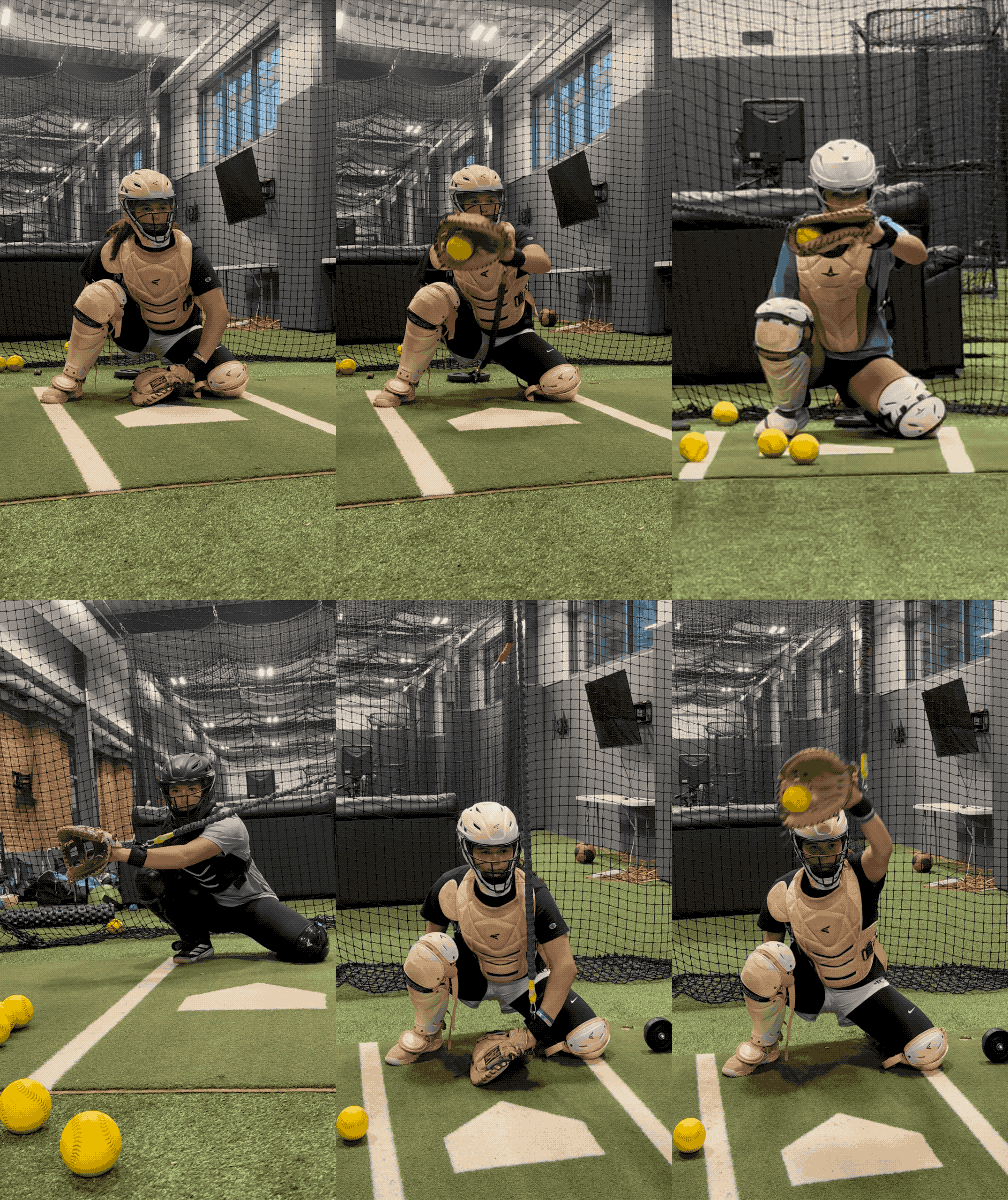
The Anchor allows you to position the source of resistance based on for movement you’re trying to train.
Instead of attaching the resistance to the catcher’s waist and accepting whatever resistance angle that creates, The Anchor allows the catcher or coach to move the anchor point.
Low pitch?
Position it accordingly.
Down and in?
Change the angle.
Up and away?
Change it again.
You’re no longer forcing every receiving movement to fight resistance coming from the same direction.
This distinction is important.
Yes, The Anchor provides resistance.
And yes, resistance can help develop strength and speed.
But that’s not the primary reason I developed it.
The Anchor is a receiving tool first and a resistance tool second.
I wanted something I could use with a catcher to provide feedback during the actual movements we’re trying to develop.
When the resistance is positioned correctly, the catcher can feel the direction we’re trying to create.
That’s something I’ve noticed almost immediately with the catchers I’ve trained using The Anchor.
Instead of repeatedly telling them:
“Get underneath it.”
“Stop stabbing.”
“Work it back toward the middle.”
They can actually feel what I’m asking them to do.
And once they feel it…
It becomes much easier to repeat it!
This might be my favorite part.
After receiving against resistance, remove The Anchor and go right back to receiving normally.
The feedback I’ve heard over and over again is some version of:
“My mitt feels so much faster.”
That’s exactly what I wanted.
Train the movement against resistance.
Then remove the resistance and let the hand move freely.
It’s an incredible feeling—and once a catcher experiences it, he immediately understands what The Anchor can do.
I also wanted The Anchor to be easy to use wherever catchers actually train.
You don’t need a special piece of equipment permanently installed in your facility.
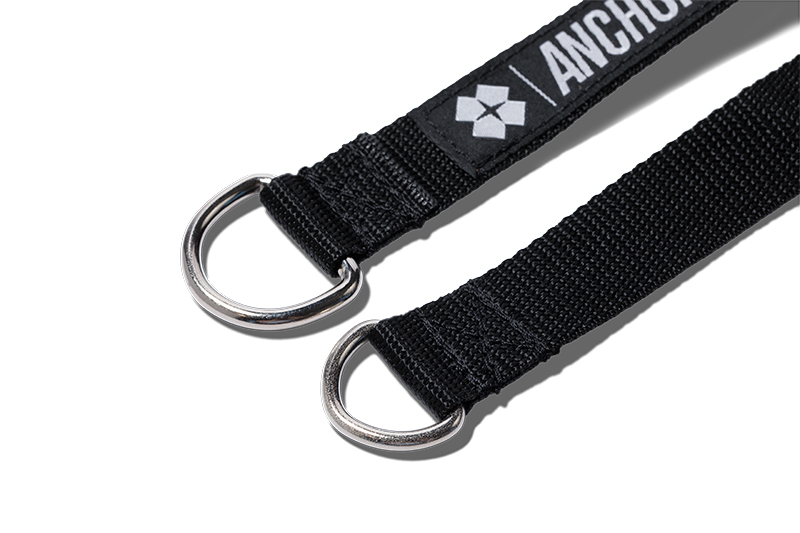
The included Anchor Strap gives you multiple setup options.
Attach it to a:
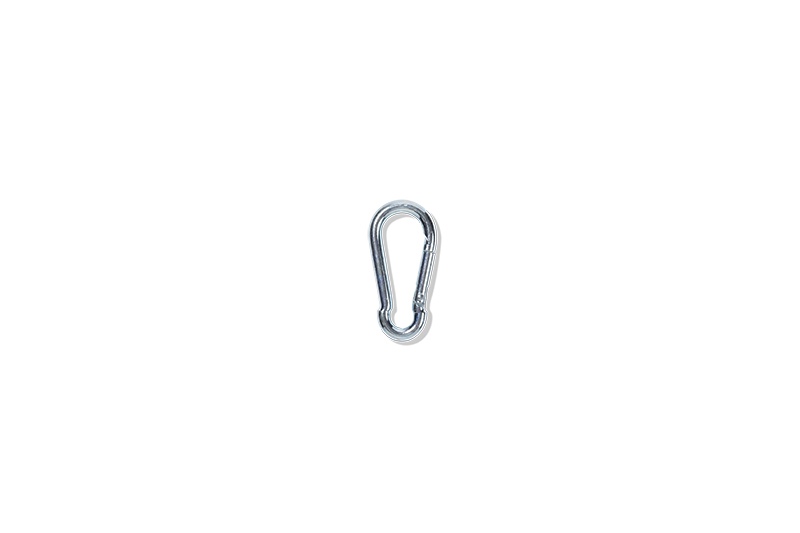
The included extension carabiner makes it easy to change setups and resistance angles quickly.
Move the anchor point.
Change the vector.
Get quality reps.
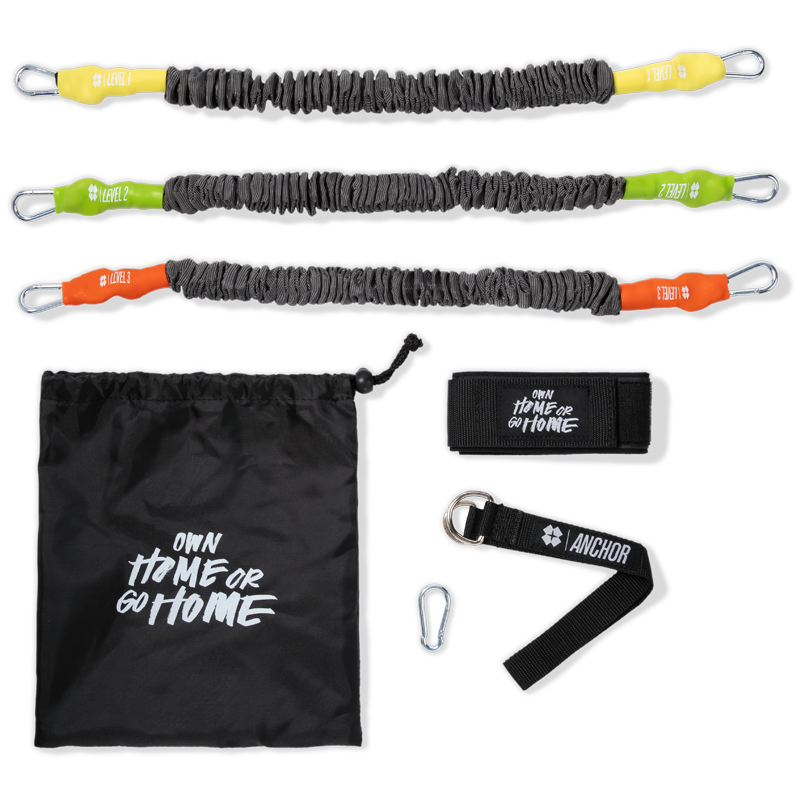
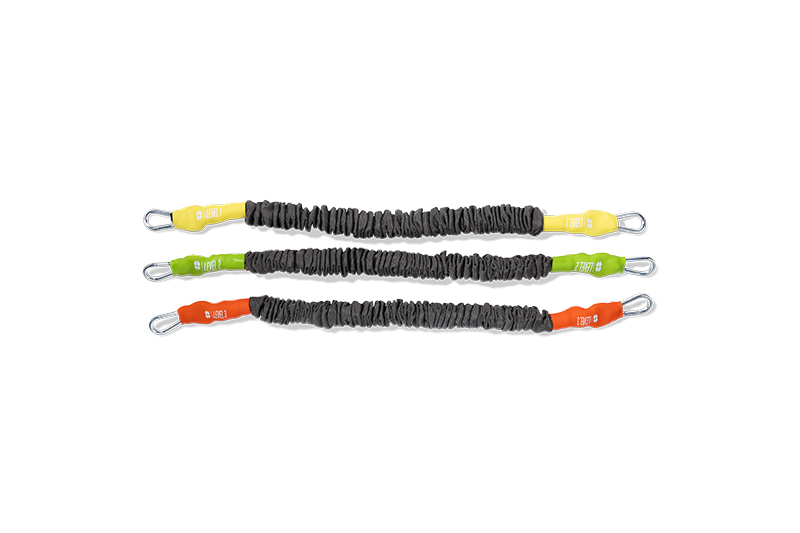
Every Anchor Receiving Resistance System includes:
One each of Level 1, Level 2, and Level 3, allowing multiple individual and combined resistance options.
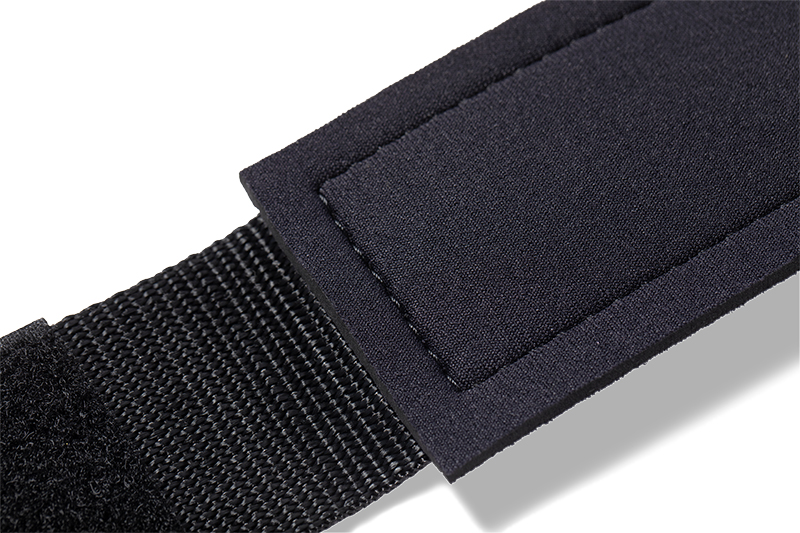
Designed to comfortably secure The Anchor to the receiving arm while allowing the catcher to move naturally.
Provides a simple way to attach The Anchor to fences, weights and other secure objects.
Adds versatility to your setup and makes changing attachment points quick and easy.
Keep the entire system together and throw it in your catching bag when you’re finished.

One system. Multiple resistance levels. Unlimited directions.
Before releasing The Anchor, I wanted to put it in the hands of catchers and coaches and see what they thought.
The response has been exactly what I hoped for.
“I can really feel the correct direction now.”
“My mitt feels so much faster after using it.”
“I’m going to make this part of my daily routine.”
For me, that’s the ultimate test.
I didn’t want to create another gadget that looked good on social media.
I wanted to create something that catchers and coaches would actually put in their bag and use.
I designed The Anchor to be useful across multiple levels of the game.
It’s for the individual catcher who wants to add resistance receiving to his daily routine.
It’s for the catching instructor who needs to manipulate resistance based on the movement he’s teaching.
It’s for the high school or college coach who wants a tool that can be adjusted for different catchers.
It’s for the MLB catcher and coach who are trying to make fine-tuned adjustments when tiny details matter most.
And because the resistance is adjustable, the same Anchor can continue to challenge a catcher his entire career behind the plate…no matter how long it is!
I’ve spent a huge part of my life studying catching.
Playing it.
Coaching it.
Talking about it with some of the best catching minds in baseball.
And I’m always looking for better ways to help catchers understand movement.
Sometimes that’s a better drill.
Sometimes it’s a better cue.
And every once in a while, it’s a better tool.
The Anchor came from a real problem I encountered while working with a catcher.
I couldn’t find a receiving resistance tool that worked the way I wanted it to work.
So I built one.
And after seeing how catchers have responded to it…
I think this is going to become a tool you’ll see everywhere.
 Contact Me
 Pro Plus Login